Sunday, April 27, 2025

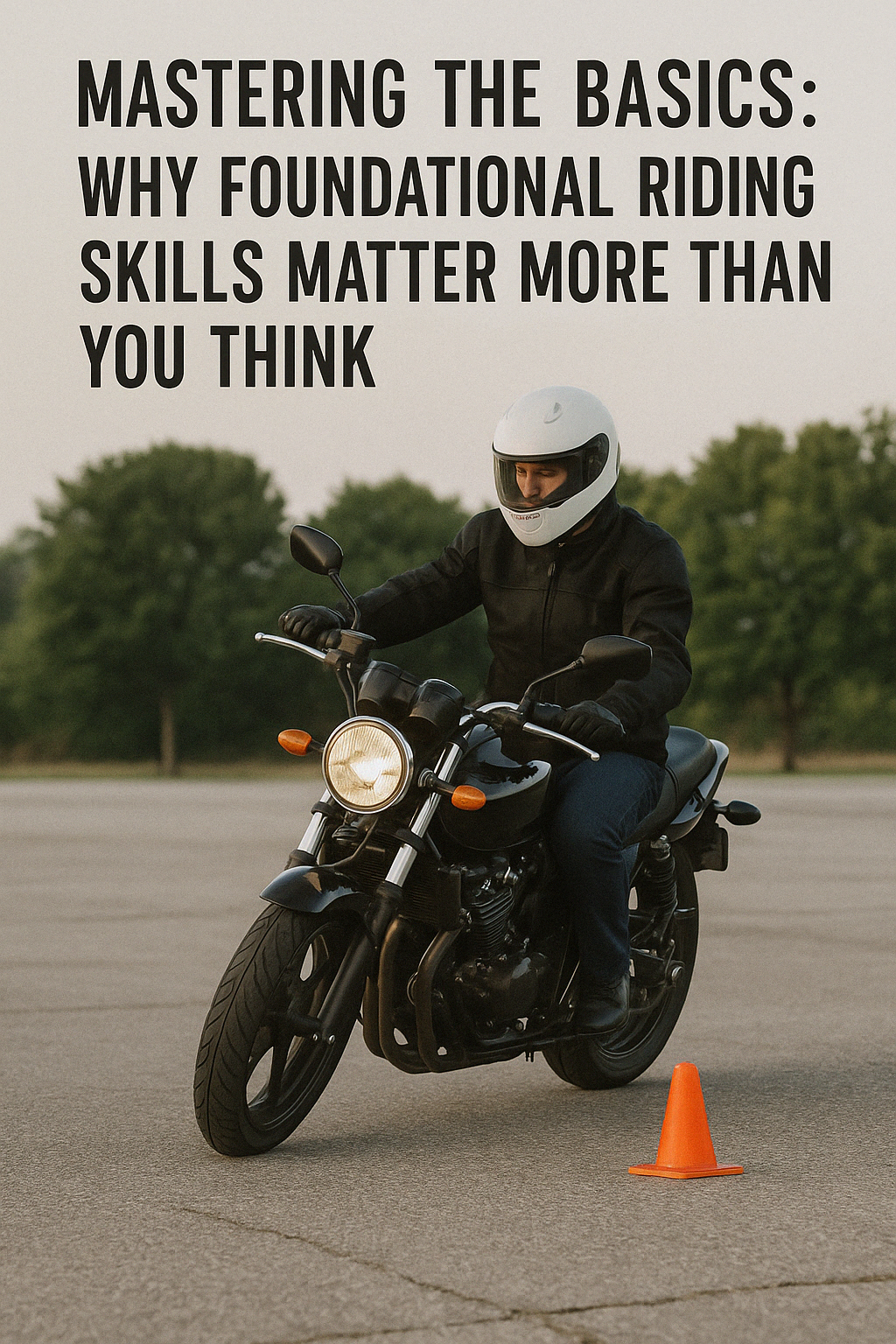
Mastering the Basics: Why Foundational Riding Skills Matter More Than You Think


When riders think about improving, it's easy to focus on the exciting stuff — jumps, tricks, speed drills, or advanced manoeuvres. But here’s the truth that every great rider knows: your foundation determines your future.

At Personal Rider Training, we believe that mastering the basics isn’t just something you do once — it’s a constant part of your journey. Perfecting your posture, balance, throttle control, braking, and slow-speed manoeuvres creates habits that stay with you whether you're cruising, competing, or tackling technical challenges.

Think of it like building a house. If your foundation is strong, you can build as high as you like. But if it's shaky? Everything above it is at risk.

Today's Quick Tip:
Spend 15 minutes of every ride focusing purely on basics. Practice smooth starts and stops. Do tight circles. Ride slowly in a straight line. It might feel simple — but it’s these exercises that separate a good rider from a great one.

Ready to tighten up your foundation?
Book a skills session with us this week! Whether you're a new rider or years deep into your journey, there's always something powerful waiting in the basics.

Stay safe, stay sharp — and keep riding.
- The Personal Rider Training Team


Sunday, April 20, 2025

First Rides of the Season – Getting Back in the Saddle


The sun’s warming up, the roads are finally clear, and your bike’s been whispering your name from the garage. Yep—it’s that time again. The first rides of the season are calling, and after a long winter break, nothing beats that first twist of the throttle.

But before you head out on that much-anticipated ride, let’s talk about easing back into the saddle smartly. Because as exciting as it is to feel the wind again, spring riding isn’t just about hopping on and going full send.

Shake Off the Rust—Both Yours and the Bike’s

You’ve been out of the saddle for a few months. That means your riding reflexes need a little reboot. Take the first few rides slow and steady. Stick to familiar roads, re-familiarize yourself with the bike’s feel, and give your body a chance to get back into the rhythm of balancing, braking, and scanning.

And don’t forget your bike’s been hibernating too. Check tire pressure, brakes, lights, oil, and chain tension. Look for critter nests (yes, really), rust, or fluid leaks. A basic pre-season inspection can save you a roadside headache.

Road Conditions Are Still Waking Up

Spring roads are unpredictable. Gravel from winter sanding, potholes, and leftover salt can all throw you off. Even shaded curves may still hold moisture or ice patches early in the day. Take corners with care and give yourself extra stopping distance until the roads fully clear up.

Dress for Spring’s Mood Swings

Sunny doesn’t always mean warm. Layer up and keep wind chill in mind—especially for longer rides. Cold hands = slower response times. And always bring rain gear, because spring can surprise you when you’re least ready for it.

Use the Time to Refresh Your Skills

The beginning of the season is a great excuse to sharpen up your technique. Practice low-speed maneuvers in a parking lot. Get your braking dialed back in. And if you’re looking to really boost your confidence, we’ve got training options to help you knock the cobwebs off properly.

At Personal Rider Training, we’re here to make sure you ride into the season feeling capable, confident, and fully in control. Whether you’re brand new or a seasoned rider shaking off winter, we’ve got something for you.


Ready to Ride?
Let this season be your best one yet—ride smart, ride skilled, and always ride with joy. 🏍️

Got questions about courses or one-on-one training? Reach out—we’d love to hear from you.

Friday, December 27, 2024

End-of-Year Reflections: The Joy of Motorcycling


End-of-Year Reflections: The Joy of Motorcycling

As the calendar winds down and we prepare to welcome a new year, it’s the perfect time to reflect on the journeys that have shaped our lives over the past 12 months. For motorcycling enthusiasts, those journeys are often literal, etched in the miles traveled, the curves mastered, and the landscapes explored. Motorcycling isn’t just a mode of transport—it’s a way of life, a connection to freedom, and a source of endless inspiration.

The Year’s Best Rides

Every rider has their standout moments from the year. Perhaps it was the thrill of tackling a challenging mountain pass, the serenity of cruising along a scenic coastal road, or the camaraderie of joining a group ride with fellow enthusiasts. These rides remind us why we fell in love with motorcycling in the first place: the exhilaration, the solitude, and the pure joy of the open road.

Lessons from the Road

Motorcycling teaches us valuable lessons that extend far beyond the handlebars:

  • Patience and Focus: Whether navigating traffic or conquering long-distance trips, riding demands mental clarity and attentiveness.
  • Resilience: Every rider faces setbacks—a sudden rainstorm, a mechanical hiccup, or even an unexpected detour. These moments build character and adaptability.
  • Gratitude: Few things compare to the feeling of freedom on a bike. Every ride is a reminder to appreciate the simple joys of life.

Challenges of the Ride

This year may have also brought its challenges—be it accidents, weather conditions, or road closures. For many, finding time to ride amid life’s demands can feel like a struggle. But each challenge presents an opportunity to grow and adapt, whether it’s improving your riding skills, maintaining your bike, or simply embracing the unpredictability of life on two wheels.

Looking Ahead to a New Year

The end of the year is a time to set intentions for the road ahead. What do you hope to achieve in your motorcycling journey next year?

  • New Destinations: Make a list of dream rides or unexplored routes to tackle in the coming year.
  • Skill Development: Consider taking an advanced riding course to hone your abilities and boost your confidence.
  • Bike Upgrades: Maybe it’s time for a new set of tires, an upgraded helmet, or even a new bike altogether.
  • Community Engagement: Join local clubs, participate in charity rides, or attend motorcycle events to connect with like-minded enthusiasts.

Closing Thoughts

As motorcyclists, we’re part of a unique and passionate community that spans the globe. This shared love of the ride brings us together, reminding us that no matter where we’re from or what we ride, the road unites us. So, as we bid farewell to another year, let’s celebrate the miles we’ve ridden and the memories we’ve made.

Here’s to the adventures yet to come, the roads waiting to be explored, and the enduring spirit of motorcycling. Ride safe, ride often, and may the next year bring even more unforgettable moments on two wheels.

Saturday, November 16, 2024

Safe Motorcycle Riding in Autumn: Tips for Riders by Personal Rider Training

 **Safe Motorcycle Riding in Autumn: Tips for Riders by Personal Rider Training**


As the crisp autumn air sets in and the leaves start to change colors, many motorcyclists are eager to enjoy the season’s beauty while cruising the open roads. However, with the change in weather, autumn presents a unique set of challenges for riders. Whether you’re a seasoned rider or a new enthusiast, it’s essential to adjust your riding habits for the cooler temperatures, wet conditions, and falling leaves that come with this time of year.


Here are some key tips from Personal Rider Training to help you stay safe and enjoy your autumn rides:


### 1. **Check Your Gear: Layer Up for Warmth**


Autumn weather can be unpredictable, with chilly mornings turning into warmer afternoons. Layering your riding gear is essential for staying comfortable throughout your ride. Invest in a high-quality, weather-resistant jacket, gloves, and pants that offer protection while keeping you warm. 


Consider wearing moisture-wicking layers under your gear to ensure you stay dry in case of unexpected rain. Don’t forget about your helmet! Make sure it fits well and is equipped with a face shield or visor to shield your face from cold winds and potential debris.


### 2. **Watch for Wet and Slick Surfaces**


Autumn often brings more rain, morning dew, and leaves on the road. Wet surfaces can be slippery, and leaves, especially when they are wet, can cause your tires to lose grip. Be extra cautious when riding through intersections, curves, and other areas where leaves tend to accumulate.


If you encounter puddles or wet spots, reduce your speed and avoid sudden maneuvers. Maintaining smooth, controlled braking and acceleration can help you stay in control when the roads are less than perfect.


### 3. **Watch Out for Falling Leaves**


The beauty of autumn is undeniable, but the leaves that decorate the roads can be dangerous for riders. As the leaves fall and collect on the road, they can hide potholes, debris, or even oil patches, creating hazardous conditions. Be cautious when riding through areas with dense foliage, especially on unfamiliar routes.


Keep your distance from other vehicles, as leaves can easily be swept up and obstruct your visibility or cause traction issues. Stay alert and scan the road ahead for changes in conditions.


### 4. **Be Mindful of Changing Daylight**


With the days growing shorter, it’s important to be aware of changing light conditions. The low angle of the sun in autumn can create visibility issues, particularly in the morning and evening. Adjust your riding times to avoid riding directly into the sun, or use sunglasses or a tinted visor to reduce glare.


If you find yourself riding during dusk or dawn, ensure that your motorcycle’s lights are functioning properly, and wear high-visibility gear to help other drivers spot you.


### 5. **Inspect Your Motorcycle Regularly**


Before hitting the road, it’s crucial to give your motorcycle a thorough inspection. Check your tires for wear and ensure they have adequate tread depth. Ensure that your brakes, lights, and turn signals are working properly, as these become even more important when road conditions are less than ideal.


Autumn can bring cold mornings and occasional frost, so make sure your motorcycle’s battery is in good condition. Check your oil levels and make sure the chain is properly lubricated to ensure smooth performance.


### 6. **Adjust Your Riding Speed and Technique**


The cooler, unpredictable weather of autumn can require you to modify your riding style. Take corners more gently and reduce your speed on unfamiliar roads, especially when the pavement might be wet or covered in leaves. 


Increase your following distance to give yourself more time to react to road conditions or changes in traffic. Keep your eyes up and stay focused on the road ahead, constantly scanning for any potential hazards.


### 7. **Riding at Night: Be Prepared for Cooler Temperatures**


If you find yourself riding at night, be prepared for significantly cooler temperatures. The fall air can cool rapidly after sunset, so be sure your gear provides adequate warmth and protection. In addition, the night brings reduced visibility, so always make sure your lights are bright and working properly. Reflective gear or accessories can help you remain visible to other drivers on the road.


### 8. **Keep Your Focus on the Ride**


While the colors of autumn are breathtaking, it’s important to stay focused and avoid distractions while riding. Falling leaves and scenic routes can be enticing, but always keep your attention on the road. Your safety is the priority—take in the views when you stop for a break, not while you’re navigating the road.


---


Autumn offers some of the most scenic and enjoyable riding experiences, but it’s crucial to stay aware of the unique challenges it presents. By taking a few simple precautions, you can ensure that you’re riding safely and enjoying everything the season has to offer. 


Remember to always wear the proper gear, keep your bike in top condition, and adjust your riding style to suit the autumn conditions. Whether you're enjoying the fall foliage or heading out on a scenic ride with friends, make safety your top priority, and have a fantastic time out there on the open road.


**Stay Safe and Ride Smart with Personal Rider Training** – because a safe ride is a happy ride!
Friday, July 19, 2013

bike buying advice

I have the pleasure of instructing a lot of motorcyclists each season.

One of the most common questions I get is "What bike should I buy?"

I can not really answer that question.  I can tell people what bike I would like to buy, and how come, but we are all different--physically, riding styles, riding preferences, etc.

The only real advice I give newer riders is I recommend that their first bike be a used bike, and a standard bike.

 A used bike because they will probably only keep it a couple of seasons, and as their riding skill improves, their comfort level improves, and they develop their tastes, they will replace it with something else.

A standard bike for a couple of reasons.  1) it has a good riding position that encourages proper riding posture for level control, eye lead, balance, breaking, etc., so that the rider does not lose the riding posture skills I have taught them, and they become habit that will transfer to their next bike.  And 2), lack of body work/fairings/plastic/fiberglass, etc.  New riders almost inevitably will drop their bike--in the garage, the driveway, wherever, pushing it around, as they adjust to the weight and balance of their motorcycle.  Less things to break, less things to repair or replace.

I always enjoy reading the motorcycle buying guides that come out each season.. As I kids/young rider, I waited in anticipation each spring for it to be sent in the mail.  Nowadays, there are a plethora of online buying guides.

Here is a link to one from Canada MotoGuide.com

Ride Safe,
-D


Wednesday, July 17, 2013

Dainese BMW Riding Gear


BMW's new suit, built in conjunction with Dainese, will be officially unveiled at EICMA.

Looks like two of my favourite motorcycling companies--Dainese & BMW--a partnering up to develop riding safety gear.

The plan is to build new protective gear based o the Dainese D-Air Protect system.  First they plan to build a new BMW DoubleR RaceAir one-piece leather suit with the D-Air inflatable technology.  Designed for the racetrack, a street version, the Dainese D-Air Street System for BMW Motorrad should be available to customers for the 2015 riding season.

Apparently, BMW is also working on an airbag system for some of their bikes, similar to the system that Honda has done for their Goldwing touring bike.  The partnership with Dainese makes sense since Dainese has been working on air systems for over five years now.

In the meantime, check our the MotorAirBag Canada.  A vest your wear over your geat, that inflates to protect your entire spinal column--from tailbone to top of your neck, should you leave your bike.
Their facebook site.  I love it!!!


A few of questions for you:

1) Does the gear your wear while riding vary at all: trip, weather, bike, etc.?

2) What do you replace most often?

3) What do you consider your most important gear?

4) What is your favourite gear/equipment?

Thanks,
and Tell Your People,
-D


Tuesday, July 16, 2013

New KTM Sport Bike?


I am a big fan of the KTM Duke.  Great bike, easy to ride, handles great, looks good. etc. 
I also love sport bikes--handling, braking, power, etc.

It’s no secret that KTM is working on a fully-faired sport version of their Duke 390. It’s no secret that the bike will be based on a race machine.

But we were waiting until EICMA to see that machine, which we assumed would be based on their Moto 3 bike, until now. Now we have some pictures of KTM’s RC390, giving us a good idea what the street-based machine will look like. Add in some lights, a license plate, passenger pegs and some other odds and ends, and you’ve got KTM’s future offering.
The specs for the new street machine look interesting. The bike is supposed to weigh a bit over 306 lbs wet, with 43 hp (the KTM 390 Duke’s specs). Those numbers are very close to the two-stroke 250 cc race replicas of the 1980s that many pine after. An ’86 Suzuki RG250 Gamma, for instance, put out around 45 hp, with a 337-lb wet weight. Although, we doubt KTM will offer the RC390 in Walter Wolf colours.
Interestingly, the track version of this bike will actually be detuned from the street version, putting out 38 hp instead of the mid-40s. Of course, it’ll also be lighter than the street bike, since you can pull off a lot of lights and other bits for track work.
KTM has announced a spec series (ADAC Junior Cup) based around the track bike. Whether or not they’ll have regional spec series, similar to Honda’s CBR250 series that runs in Canada, is another question – we don’t know for sure whether or not the bike is coming here yet.


Saturday, July 6, 2013

Events this weekend

A couple of motorcycling competitions this weekend.

If you are in the Montreal area, be sure to check out Round #2 of the Canadian Superbike Championship at L'Autodrome St. Eustache.

Championnat-canadiens-moto-20131

8-time National champ Jordan Szoke looks for the repeat win after last year's win on his way to the title.

CBR125 & CBR250 champ Stacey Nesbitt will make her debut in the Am 600 class. Definetely one to keep an eye on:

stacey-nesbitt-420x280

If you are in the Prince Edward County area, be sure to stop by Shannonville Motorsport Park for the Vintage Road Racing Association Summer Classic.

vrra summer classic

Ride Safe, -D p.s. if you have any upcoming events, send me a message and I will post them here.

Monday, June 17, 2013

Eye Contact and Traffic Behaviour

Had a minor incident on my ride home that reminded me of the importance of eye contact in traffic.

Picture this: riding along a quiet residential street, preparing to make a left turn onto another residential street.  The street I am on has no stop sign, it is a through street, the street that I am preparing to turn left onto has a stop sign.

I check my mirrors, put on my left turn signal, and flash brake light as I roll off the throttle and down shift.  A small S.U.V. comes to a stop at the stop sign on my left, the direction I plan to go.  Like make cars today, it does not stop before the limit line--in this case the sidewalk, but slows down to a crawl at the curb line, creeping ahead checking traffic.

As I look for eye contact from the driver, I realize that I can not see the driver's eyes as a golden retriever (dog) is riding in the passenger seat.  So, if I can't see the driver's eyes, then she probably can not see me.  I slow down even more than I would normally, predicting the car to pull out in front of me.  Sure enough, the cars goes straight, directly in front of my path.  Predicting that this was about to happen, and having already checked my mirrors, I know that there is nothing behind me and I apply the breaks firmly, as I get on the horn.

The car continues through the intersection, oblivious to me, like nothing happened.  I am annoyed,but  because of the defensive riding, and preventative steps that I have taken, do not need to do any sudden emergency maneuvers.  If I had not made the changes, but continued at my original speed and path, there is no doubt in my mind that there would have been serious contact between me and the other vehicle.

If you have taken a CSC Gearing Up riding course, you probably remember the Traffic Behaviour lesson, where all the students were put on the same parking lot together to ride 4 simulated blocks.  One of my favourite parts of explaining this layout is asking the students: "Who has the right of way?"

I get the expected textbook answers of "who ever got there first" or "the vehicle on the right", but I always respond, "NO, whomever is biggest."

The truth is, when riding a motorcycle, it does not matter if we have the right of way if we are dead right.

Riders, continue to ride safe, practicing the skills you have been taught, continue to improve the skills you have, and learn new ones.  Continue to hire professionals to help you improve your skills, and improve your survive-ability.  Always look for eye contact from other drivers at intersections.

And please, please, put your dogs in the back when going for a drive!

Ride Safe!
-Devin


Friday, January 11, 2013

CSBK 2013 Schedule announced


The Mopar Canadian Superbike Championship schedule has just been released.

8-time CSBK National Champion will be breaking more records in 2013
Similar to last season's with a couple minor changes.  While the season will once again open at Shannonville, this year it will end at Le Circuit Mont Tremblant Quebec. Canadian Tire Motorsports Park (formerly known as Mosport) will once again host a double-header weekend.

Autodrome St. Eustache Quebec and Atlantic Motorsports Park in Shubenacadie Nova Scotia have changed spots on the schedule.

Round 1:  June 7-9    Shannonville Motorsport Park, Pro Track, Shannonville, Ontario
Round 2: July 5-7          Autodrome St-Eustache, St-Eustache, Quebec
Round 3: July 26-28  Atlantic Motorsport Park, Shubenacadie, Nova Scotia
Round 4-5: August 9-11 Canadian Tire Motorsport Park, Bowmanville, Ontario
Round 6: August 23-25      Le Circuit Mont-Tremblant, Mont-Tremblant, Quebec

Saturday, March 10, 2012

Motus Motorcyles at Daytona

Going to be in Daytona during Bike Week?
Be sure to check out Motus Motorcyles!


Motus Motorcycles will be displayint the Motus MST and MST-R in Daytona.

Last year during Daytona Bike Week, Motus revealed some fully functioning prototypes. They are now returning to the so-called "Birthplace of Speed" after a year of testing to release the production specs, colours, pricing, accessories, availability, and an initial list of Authorized Motus Dealers.

What are Motus Motorcycles?  Well, according to their website: they are "Hand built, American made, laboratory, racetrack, and highway proven."

Check out this Motus Motorcycle links for more details, and Ride Safe!


-Devo


Thursday, March 17, 2011

Welcome to my blog!

Hello, and welcome to my blog about motorcycling, and training on how to become a better motorcycle rider.